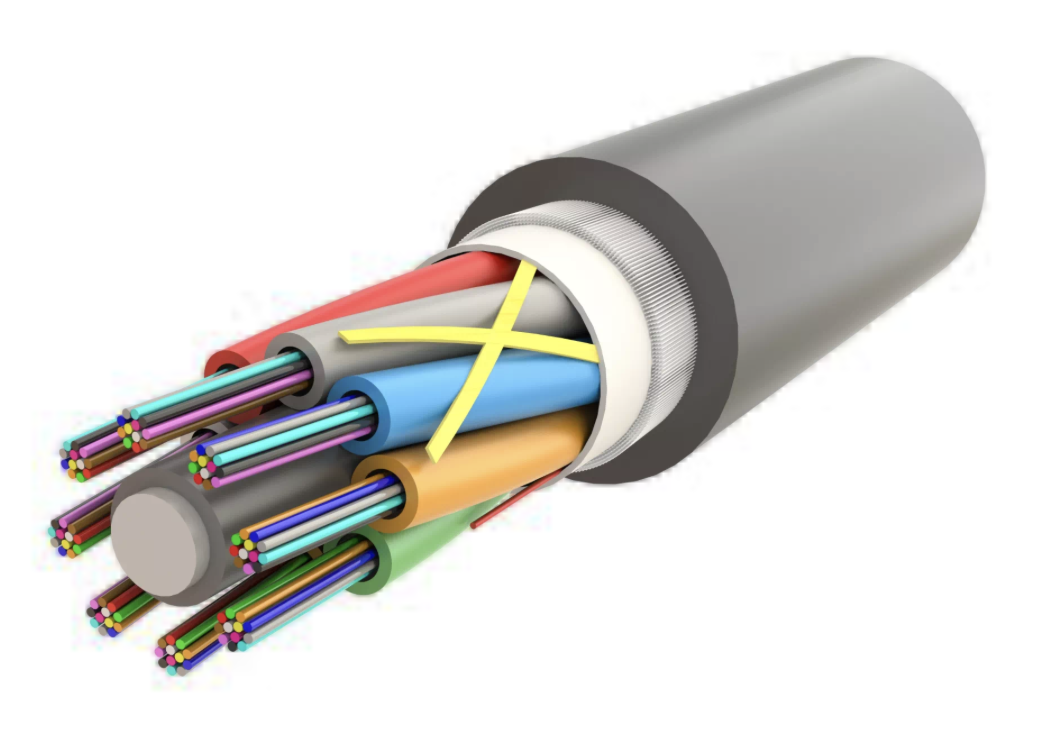
Why Optical Fiber Cables Have Different Prices and Quality
The price and quality of optical fiber cables can vary significantly due to several technical and manufacturing factors. Understanding these points helps customers choose the right cable for reliable and long-term network performance.
Key Factors That Affect Fiber Cable Price and Quality
| Factor | How It Affects Quality and Price |
|---|---|
| Raw Material Quality | Manufacturers may use different grades of raw materials. Some use recycled or refurbished materials, such as low-grade PE jacket, to reduce cost. This can affect durability and outdoor performance. |
| Jelly Filling Quantity | Optical cables use water-blocking jelly to protect fiber tubes from moisture. Less jelly or poor-quality jelly reduces protection against water and harsh environments. |
| Yarn Quality and Quantity | Aramid yarn works as a strength member. Using less yarn or low-grade yarn reduces tensile strength, especially in aerial cables like ADSS. |
| Cable Diameter and Span | Larger diameter cables usually support longer spans and higher mechanical strength. Smaller or undersized cables may be cheaper but may not be suitable for long-distance or high-tension installation. |
| Tube Size and Cable Design | Some manufacturers increase the outer diameter by using larger loose tubes instead of improving internal strength. This can mislead customers about actual cable quality. |
| Fiber Core Quality | The optical fiber core is the most important part of the cable. Low-quality fiber may have higher attenuation, poor bending performance, or internal damage that cannot be seen from outside. |
| Packing Method | Drum packing is safer for long-distance delivery and storage. Coil packing is cheaper, but it can increase the risk of bending or handling damage if not packed properly. |
| Logistics, Transport and Customs | Transport cost, import duties, customs charges, and handling costs also affect the final market price of optical fiber cable. |
What Should Customers Check Before Buying?
→ Cable type: ADSS, ASU, Figure-8, underground, duct, or drop cable
→ Span distance from pole to pole
→ Cable diameter and strength requirement
→ Fiber core quality and attenuation
→ Jacket material: PE, LSZH, or AT jacket
→ Packing type: drum or coil
→ Test report and supplier support
Practical Recommendation
Based on our experience, Chinese-manufactured optical fiber cables currently offer better consistency in raw material quality and manufacturing standards compared to some alternatives. However, final selection should always be based on project requirements, cable specifications, and testing results — not only on the country of origin.
Conclusion
Not all optical fiber cables are the same. Lower price can sometimes mean lower raw material quality, less yarn, poor jelly filling, weak cable strength, or poor packing. Choosing the right optical fiber cable helps reduce maintenance cost and improves network stability.
Need Help Selecting the Right Fiber Cable?
Contact D-TECH Trading for optical fiber cable, ADSS cable, ASU cable, drop cable, accessories, and technical consultation in Nepal.
🌐 www.dtechtrading.com.np
📍 Lalitpur | Itahari | Butwal