RJ Connector
Variant Specifications
RJ45 Connector – Product Overview
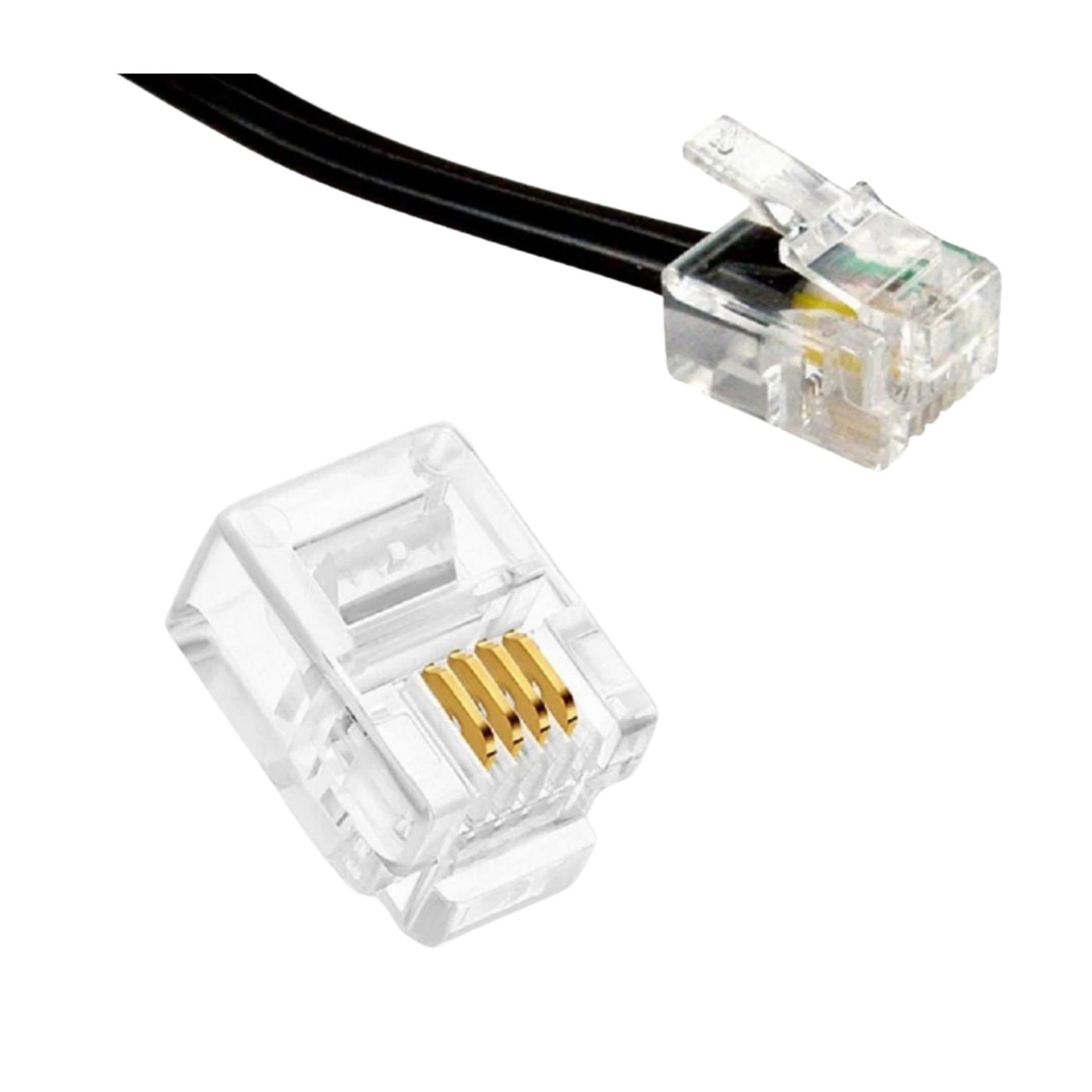
The RJ45 connector is a standardized telecommunications interface widely used for connecting telephone equipment such as telephones, fax machines, modems, and DSL routers to a telephone line. It provides a simple and reliable connection method for voice communication systems in residential and commercial environments.
Description
The RJ45 connector features a compact rectangular design with either four or six metal contacts arranged in a single row. It is smaller than an RJ45 connector and is specifically designed for telephony applications. The connector is used with flat or round telephone cables containing four or six conductors.
In typical installations, only two wires are required for basic telephone communication. However, additional wires can be used for extended functionality such as secondary lines or powering auxiliary devices. The connector ensures secure and stable transmission of analog voice signals.
Key Characteristics
| Parameter | Details |
|---|---|
| Connector Type | RJ45 (Registered Jack) |
| Positions | 4 or 6 positions |
| Conductors | 2, 4, or 6 wires |
| Application | Telephone, Fax, Modem, DSL Router |
| Cable Type | Flat or Round Telephone Cable |
| Compatibility | Standard Telephone Wall Jacks |
| Standard | FCC Registered Jack (RJ) Standard |
| Typical Use | Voice Communication Line Connection |
Usage & Application
RJ45 connectors are commonly used in homes, offices, and small businesses for connecting telecommunication devices to service provider lines. They are widely deployed in PSTN systems, DSL internet connections, and legacy communication infrastructure.
The connector supports reliable signal transmission and is easy to install, making it a cost-effective solution for traditional voice and low-speed data communication systems.
Color Coding
In standard telephone wiring, color coding helps identify line connections. Typically, red and green wires are used for the primary line, while yellow and black wires may be used for secondary lines or additional functions depending on the installation requirements.
Conclusion
The RJ11 connector remains an essential component in telecommunication systems, offering a simple, standardized, and reliable method for connecting voice communication devices. Its compact size, ease of use, and wide compatibility make it a fundamental part of traditional networking infrastructure.
Ask a question
Questions & answers
0 question(s)Write a review
Sign in to reviewCustomer reviews
No videos for this product yet
Once videos are added, you’ll see them here as a gallery.
Related Products
Reyee Cloude Managed SFP Router
HSGQ-R3005 Wifi 6 Router
.jpg)
USB Wireless Transmitter
IP Telephone
100G QSFP28 DCO DWDM C-Band LC Duplex SMF
100G QSFP28 BIDI Tx1291nm/ Rx1311 nm
400G QSFP SR4 -DD MPO
400G OSFP-DD SR8 MPO
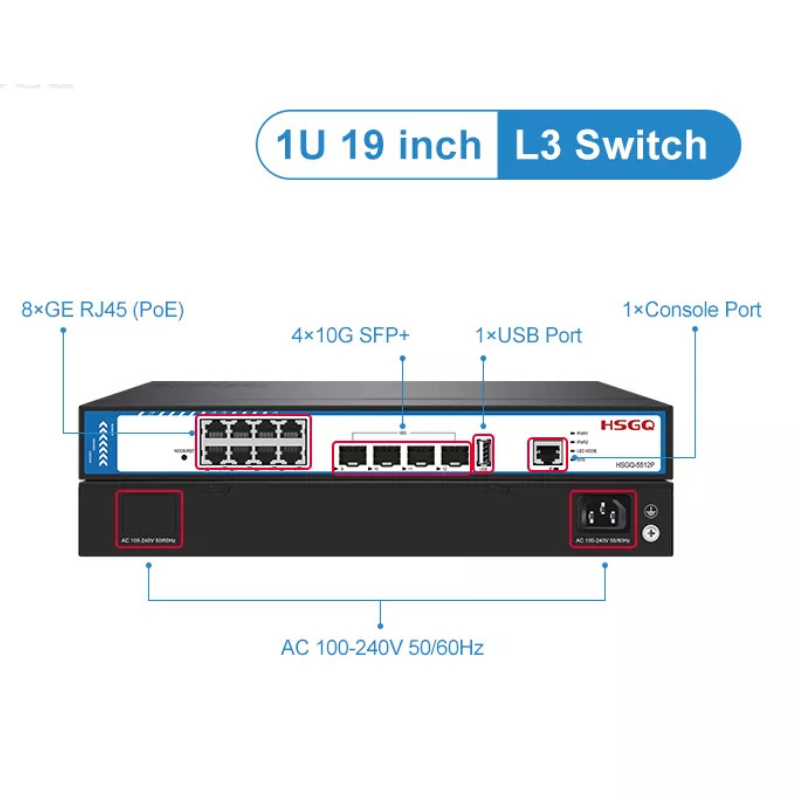
PoE L3 Switch HSGQ 5122 Series